

First Catch, First Fire
A hunger, a fire, and the quiet rhythm of learning to begin again.

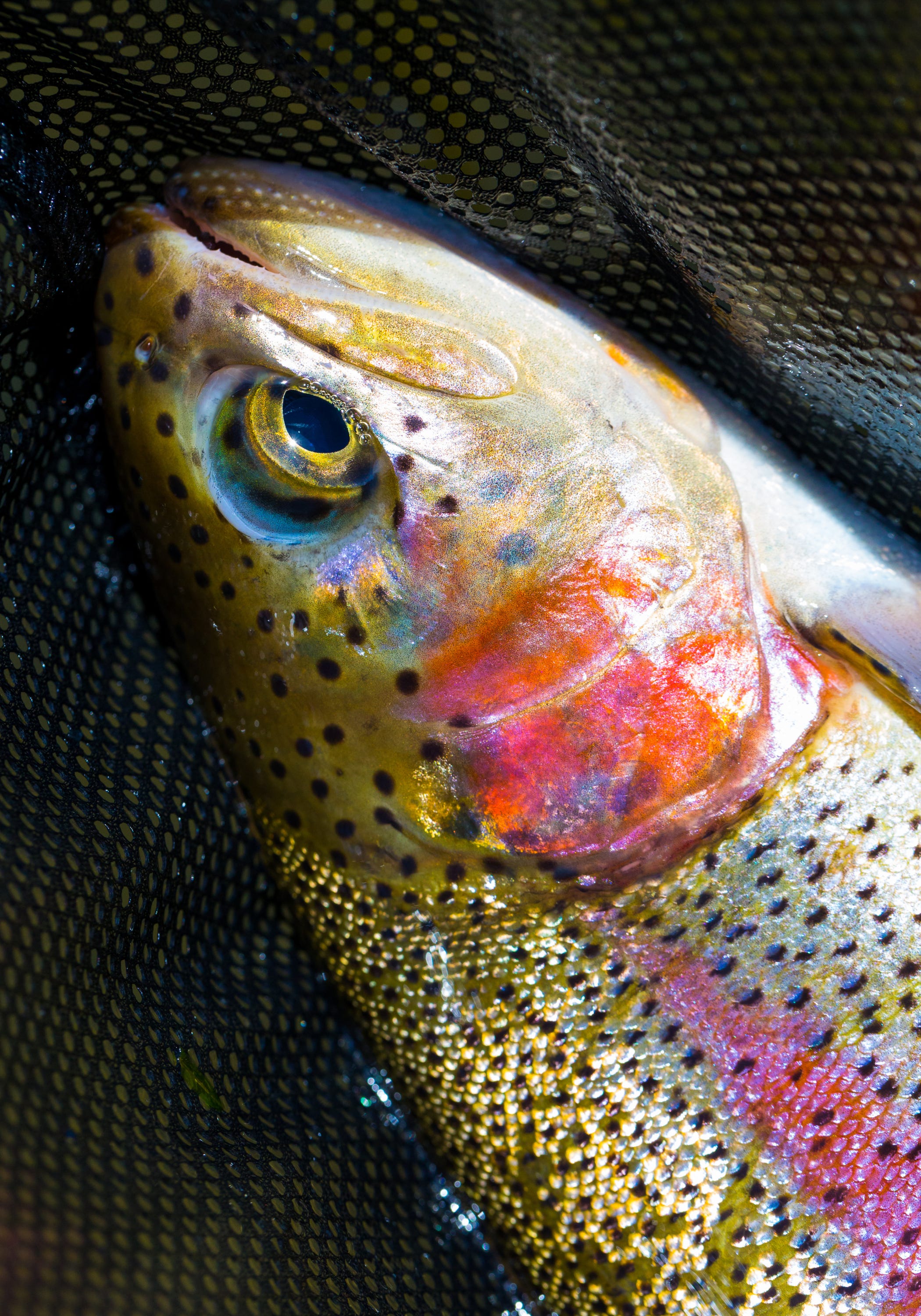
The river still runs cold in early spring, sharp enough to bite through wool and settle into your bones.
The snowmelt feeds her, swelling the currents, making her move like something waking up— slow, but dangerous.
The banks are soft with thawed mud, the rocks slick and worn smooth by time.
That first step into the water each season reminds you who’s in charge.
It’s not you. It never was.
The recipe inspired by this memory: Campfire Trout with Burnt Lemon Butter
Fishing this early in the year ain’t about the numbers. It’s not about pulling in a heavy catch or filling the freezer.
It’s about ritual— standing on the bank and casting into something older than you’ll ever be.
It’s about breathing air so sharp and clean it scrapes at the inside of your lungs. It’s about patience. About remembering the rhythm of it.
That first cast feels like knocking on a door, waiting to see if the river’s ready to answer.
My father always knew when the season had turned— when the river was giving again.
I used to think it was magic— the way he could look at the water and just know.
But I understand now. It wasn’t magic. It was instinct. The kind that settles into your bones when you’ve spent enough time paying attention.
He taught me that the river doesn’t owe us anything. You wait. You read the water, the sky, the wind. You don’t fight the current— you work with it.
And when the fish comes, when the line goes tight, it’s not a battle. It’s a conversation.
We never left with more than we needed. One fish, maybe two. Enough for dinner.
Anything more felt greedy. Felt wrong.
A clean kill. A steady hand. Respect for the thing that gave its life so we could eat.
That was the way it was done. The way it had always been done.
Back by the fire— whether it was camp or home, it didn’t matter much— the coals were already waiting.
Built low and slow, glowing under the weight of dry pine.
The smell of woodsmoke clung to everything. Wove itself into our clothes, our skin,
the lines of our hands.
There’s something about that first fire of the season— the way it feels earned, the way it tastes in the air.
The fish met the heat with a sizzle, skin curling against cast iron. Salt. A little oil. Nothing more.
My father didn’t believe in dressing up something
that didn’t need it.
“If it’s good,” he’d say,
“let it be good.”
The simplest meals were always the best ones— the ones that tasted like where you were.
Like the cold river.
The pine.
The smoke curling into the night.
I think about that every time I cook now— how food doesn’t just fill you.
It tells you where you are. Reminds you what came before.
The first catch, the first fire— those are the markers of a season turning. Of another year beginning again.
They remind us we’re part of something bigger. Something that was here long before us, and will be here long after we’re gone.
The recipe for this is just a click away: Campfire Trout with Burnt Lemon Butter
So each spring, I go back to the water.
I cast my line.
I wait.
I build a fire.
And when that first fish meets the heat, when the scent of it rises with the smoke, I remember.
I remember my father’s hands, steady on the knife.
I remember the way the river pulled at my legs when I was young and still trying to fight it.
I remember that hunger— not just for food, but for the season itself. For the feeling of something new beginning.
Because that’s what spring is, isn’t it?
A hunger.
A fire.
A chance to begin again.